What Vehicle Tracking Devices Can Do
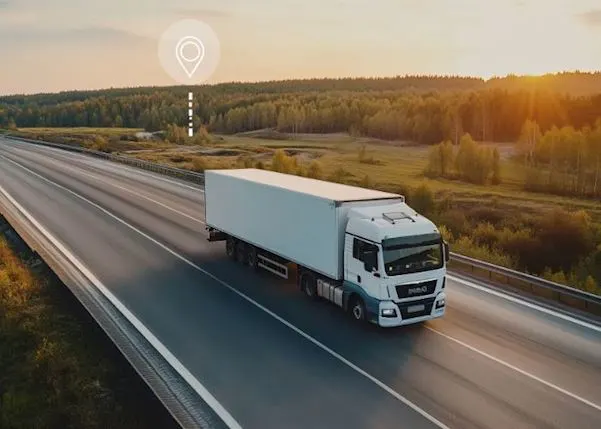
The FMT100 is our standard go-to tracker. Easily installed within 2 minutes, it hides on top of the vehicle's battery, where it uses the power from the battery to work. It accurately shows the location of your vehicles via Google Maps, every 60 seconds or turn by turn, depending on where the vehicles are driving. This can help with the following:
- Route Optimization: By analysing real-time traffic data and vehicle locations, businesses can optimize routes to reduce fuel consumption and improve delivery times.
- Driver Management: Tracking devices provide insights into driver behavior, such as speeding, harsh braking, and idling. This information can be used to improve driver training and safety.
Security and Theft Recovery
- Theft Prevention: Vehicle tracking devices can act as a deterrent to theft. In case of theft, the real-time tracking feature helps in quick recovery by providing the exact location of the vehicle.
- Dash Cams: We also offer dash cams to act as a deterrent to vehicle theft.
Compliance and Reporting
- Regulatory Compliance: For businesses in industries like transportation and logistics, tracking devices help ensure compliance with regulations regarding driving hours, rest periods, and maintenance schedules.
- Automated Reporting: The devices can generate automated reports on various metrics such as mileage, fuel usage, and service intervals, simplifying administrative tasks.
Cost Reduction
- Fuel Efficiency: Monitoring driving behavior and optimizing routes can lead to significant fuel savings.
- Maintenance Costs: Proactive maintenance alerts help prevent breakdowns and reduce repair costs.
Customer Service Improvement
- Accurate ETAs: Real-time tracking allows businesses to provide customers with accurate estimated times of arrival (ETAs), enhancing customer satisfaction.
- Proof of Delivery: GPS data can serve as proof of delivery, resolving disputes and ensuring accountability.