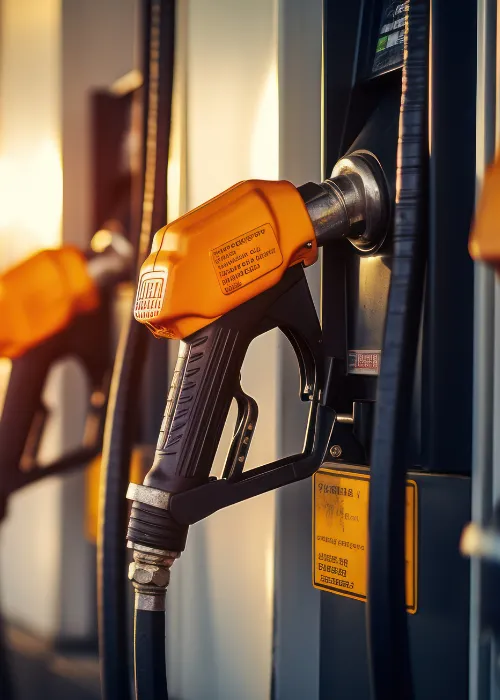
Saving Fuel With Vehicle Tracking: 10 Practical Tips
With fuel prices on the rise, many drivers and businesses are looking for ways to save money at the pump. Whether you're a fleet manager or a daily commuter, every drop of fuel matters. One of the most effective ways to reduce fuel consumption is to adopt smart driving habits and implement vehicle tracking technologies.
In this article, we'll share 10 practical tips to save fuel and show how vehicle tracking, particularly through monitoring driver behaviour, can contribute to achieving at least five of these tips.
1. Drive Smoothly and Avoid Rapid Accelerations
Sudden accelerations and hard braking are a major fuel guzzler. When you drive aggressively, your vehicle uses more energy to speed up and slow down, wasting precious fuel in the process. By driving smoothly, you can improve fuel efficiency and reduce wear and tear on your vehicle.
How Vehicle Tracking Helps: Vehicle tracking systems can monitor acceleration patterns and detect instances of harsh acceleration or rapid braking. Fleet managers can use this data to identify drivers who need coaching on smoother driving techniques. By encouraging gentle acceleration and braking, overall fuel consumption can be significantly reduced. Our driver behaviour report highlights the worst offenders for you to implement training and awareness.
2. Maintain a Steady Speed
Keeping your speed consistent is essential for fuel efficiency. Frequent speeding up and slowing down not only wastes fuel but also contributes to engine wear. Aim for a steady, moderate speed whenever possible.
How Vehicle Tracking Helps: GPS-enabled vehicle tracking systems can track speed in real-time. Fleet managers can monitor vehicle speeds and ensure drivers stay within optimal speed ranges, reducing unnecessary fuel consumption. This real-time data helps avoid fuel-wasting behaviour like speeding or excessive idling.
3. Limit Idle Time
Idling burns fuel without moving the vehicle, which is especially costly when done for long periods. Turn off your engine if you're going to be stopped for more than a minute.
How Vehicle Tracking Helps: Vehicle tracking systems can provide alerts when a vehicle has been idling for too long. Managers can review idle time reports and help drivers understand when it's more fuel-efficient to turn off the engine. This encourages fuel-saving habits and prevents unnecessary fuel waste. Our idling report quickly highlights who's the worst offender.
4. Ensure Proper Tire Pressure
Under-inflated tires cause more friction with the road, requiring more energy (and fuel) to keep the vehicle moving. Keeping your tires properly inflated is a quick and easy way to improve fuel economy.
5. Perform Regular Vehicle Maintenance
Keeping your vehicle well-maintained is crucial for fuel efficiency. A dirty air filter, old engine oil, or clogged fuel injectors can all reduce the efficiency of your engine and cause you to burn more fuel.
How Vehicle Tracking Helps: With regular fleet maintenance schedules and alerts built into vehicle tracking systems, fleet managers can stay on top of vehicle health. Using daily or weekly vehicle checks data can help prevent costly repairs and ensure that all vehicles are running optimally, thus reducing fuel waste.
6. Use Cruise Control
Using cruise control on highways helps maintain a consistent speed and can save fuel by preventing unnecessary acceleration and deceleration.
7. Plan Your Routes Efficiently
Route planning can make a huge difference in fuel economy. Avoid congested areas, take the most direct routes, and anticipate traffic to prevent stop-and-go driving.
How Vehicle Tracking Helps: A robust vehicle tracking system can provide route optimization features. Fleet managers can analyze routes to avoid heavy traffic or construction zones. This helps vehicles take the quickest routes, minimizing fuel consumption and reducing overall travel time with our route reply report.
8. Lighten the Load
Excess weight in your vehicle demands more fuel to move. Remove unnecessary items from your vehicle, especially heavy ones, and avoid carrying things on your roof if possible.
9. Use the Right Fuel for Your Vehicle
Make sure you're using the appropriate type of fuel for your vehicle. Using premium fuel in a car that only requires regular unleaded gas is a waste of money and unnecessary.
10. Drive During Cooler Hours
In hot weather, the air conditioner can become a significant drain on fuel. By driving during cooler parts of the day, such as early morning or late evening, you can reduce the need for air conditioning, improving your fuel efficiency.
FAQs
Which of these fuel saving tips makes the biggest difference?
It varies by fleet, but idling and harsh driving tend to have the most noticeable impact since they're often happening without anyone realizing the scale of it. Tips like tire pressure and load weight help too, but they tend to save smaller amounts compared to addressing driving behaviour across a whole fleet.
Does under-inflated tire pressure really affect fuel economy that much?
Yes. Under-inflated tires create more rolling resistance, meaning the engine has to work harder to maintain the same speed. It's a small, often overlooked factor, but checking tire pressure regularly is one of the easiest fuel saving habits to build into a maintenance routine.
Is cruise control actually more fuel efficient than manual driving?
On steady, flat highway driving, yes, since it prevents the small, frequent speed changes that come with manual control. It's less effective in stop-start traffic or hilly terrain, where the system may work harder trying to maintain a constant speed than a driver would naturally.
Does carrying extra weight in a vehicle really impact fuel consumption?
Yes, though the effect is more noticeable on smaller vehicles than large trucks already carrying heavy loads. Removing unnecessary weight, like unused equipment or roof boxes, reduces the energy needed to move the vehicle, which translates to a small but real fuel saving.
About the author
Michael Hoyle is the Head of Account Management at RAM, where he leverages over 7 years of industry experience to drive customer success and operational excellence.
With a deep understanding of job management solutions and fleet tracking technology, Michael has established himself as a trusted leader in the telematics space.
His customer-centric approach and analytical mindset have helped countless businesses optimize operations, reduce costs, and improve efficiency.
Reduce costs, improve visibility, and keep your business running efficiently with RAM solutions.
.webp)