Staged Incidents on Canadian Roads
Every day, unsuspecting motorists travel on Canadian roads, unaware that they are potential targets. Staged road scams have become an alarming problem, compromising the safety and integrity of our roads.
These incidents not only pose a significant threat to road users but also serve as a reminder of the length’s criminals will go to exploit others for personal gain.
- For fleet managers and businesses reliant on vehicles, the frequency of staged incidents presents many issues.
- The prospect of falling victim to these fraudulent schemes not only jeopardizes financial stability but also undermines trust in the integrity of the transport industry.
Stay aware of vehicles tailgating, abruptly merging in front of you, or signalling you to proceed, particularly if there are three or more occupants in the vehicle. If you find yourself concerned about the behaviour of drivers in your vicinity, seek out a secure location to pull over and wait until you feel it's prudent to re-enter traffic. It's better to prioritize safety over haste when uncertain about the actions of other drivers on the road.
Types of staged collisions
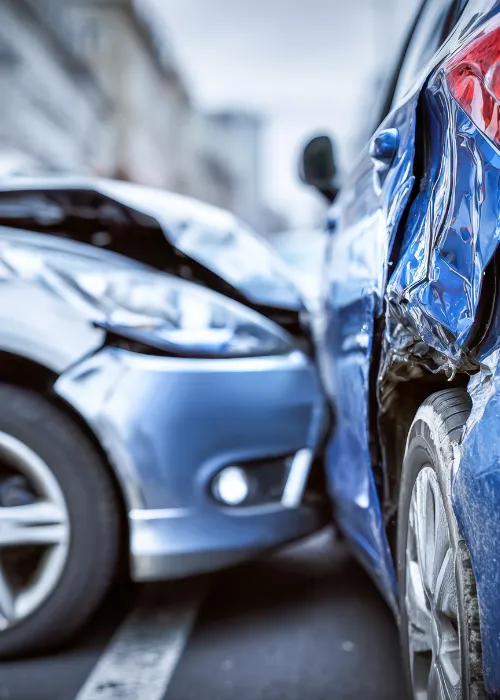
The Insurance Bureau of Canada defines auto fraud as encompassing false injury claims, exaggerated assertions made via body shops and medical facilities, and orchestrated collisions. Among these, staged collisions are a prevalent form of fraud, typically manifesting in three primary tactics:
- The swoop and squat: This maneuver entails one vehicle abruptly cutting in front of the victim, while an accomplice tailgates closely behind, causing a collision when the victim brakes.
- The drive down scheme: This is often executed in parking lots, a scammer signals the victim to back out of their parking spot before deliberately colliding with their vehicle.
- The bullet left turn: This ruse occurs when a vehicle signals to make a left turn, and a fraudster waves the driver across, only to collide with them intentionally as they turn.
Unfortunately, commercial drivers may be particularly appealing targets for staged collisions due to the likelihood of them having more extensive coverage types through their employers, which fraudsters could exploit. it is key that fleet drivers are educated by fleet managers on how to avoid staged collisions and understand the appropriate steps to take if they become victims of such scams.
How to avoid staged collisions
While it's impossible to predict every staged collision, there are proactive measures you can take to enhance your safety on the road. Consider the following expanded tips along with the potential benefits of dash cams:
- Stay vigilant: Maintain a proactive approach to your surroundings while driving. Keep a keen eye out for any signs of suspicious behaviour, such as vehicles tailing you unnecessarily closely or exhibiting erratic driving patterns. These could be indicators of a potential staged collision attempt.
- Maintain safe distances: Ensure you maintain a safe following distance from the vehicle in front of you. Adhering to recommended stopping distances, which vary depending on your speed, can provide you with the necessary time and space to react in case of sudden maneuvers or unexpected events on the road.
- Be mindful of surroundings: Stay adapted to your environment and adjust your driving behaviour accordingly. Adopt defensive driving techniques, adhere strictly to the Highway Safety Code, and never assume that gestures from other drivers, such as waving you through an intersection, necessarily guarantee safe passage.
- Exercise caution at intersections: Exercise caution, particularly when pulling out of side roads or intersections, especially if prompted to do so by another driver. Always prioritize caution over haste and ensure it's safe to proceed before entering traffic.
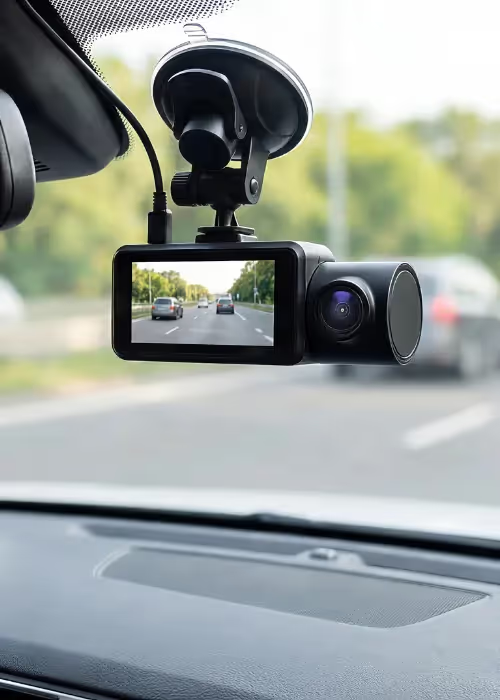
In addition to these precautions, equipping your vehicle with a dash cam can serve as a valuable tool in documenting any suspicious or fraudulent activity on the road. Dash cams can provide crucial evidence in case of an incident or staged collision, helping to protect your interests and facilitate swift resolution of insurance claims.
Protecting your fleet from staged collisions
Staged incidents on Canadian roads pose a real threat to both driver safety and business finances. Auto insurance fraud costs Canadian drivers significantly every year, and commercial vehicles are often seen as more attractive targets given the coverage typically involved.
By staying vigilant, maintaining safe distances, and equipping vehicles with dash cams, fleet managers can reduce their exposure to these schemes and give drivers the tools to protect themselves when it matters most.
Book a demo with our team to find out how connected dash cams and fleet safety solutions can help protect your business.
FAQs
What should a driver do immediately after a suspected staged collision?
Stay calm, avoid admitting fault at the scene, and get to a safe location before dealing with the other party if it's a genuine safety concern. Take photos, note the other vehicle's details, and get contact information for anyone involved. If a dash cam is fitted, that footage becomes one of the most important pieces of evidence once a claim is filed.
Is it illegal to stage a collision on purpose?
Yes. Staging a collision to make a fraudulent insurance claim is a criminal offence in Canada, not just an insurance issue, and can result in fraud charges alongside any civil consequences from the insurer.
Do insurers treat a claim differently if they suspect it's staged?
Generally, yes. Suspected staged collisions get investigated more closely, which can slow down claims processing for everyone involved, including genuine claims caught up in the same incident. Clear evidence, like dash cam footage, tends to speed up how quickly an insurer can rule a claim genuine or fraudulent.
Are certain types of vehicles or drivers targeted more often by staged collision scams?
Commercial vehicles are considered attractive targets because businesses often carry more extensive insurance coverage than individual drivers, which fraudsters see as a bigger potential payout. This is one of the reasons fleet drivers specifically are encouraged to stay alert to the warning signs.
Does having a dash cam guarantee a fraudulent claim will be dismissed?
Not automatically, but it significantly strengthens a driver's position. Footage that clearly shows the other vehicle's actions, like sudden braking or an unsafe merge, gives insurers and investigators something concrete to work from, rather than relying on conflicting accounts of what happened.
About the author
Richard Howard brings nearly a decade of front-line sales experience at RAM, having supported businesses across diverse sectors with their fleet management and asset tracking needs.
Throughout his nine years with RAM, Richard has developed a comprehensive understanding of the operational challenges that trades and field service businesses face daily. His client-first approach focuses on matching the right technology solutions to real-world problems, helping fleet operators gain better visibility, control costs, and protect valuable assets.
When he's not helping businesses optimize their fleets, Richard is a passionate traveller who loves exploring new destinations, experiencing live music, and discovering great food wherever he goes.
Reduce costs, improve visibility, and keep your business running efficiently with RAM solutions.