By RAM Tracking on 5 Aug 2025

By Richard Blown, Chief Technology Officer, RAM Tracking   

Telematics Explained: What It Is and Why Your Business Needs It 

Running a fleet business means juggling countless tasks every day. From tracking vehicles, to monitoring driver safety, and keeping fuel costs under control. Without full visibility, small issues can quickly turn into expensive problems.  

That’s where telematics comes in. But what exactly is telematics, and how can it improve the way your business operates? 

What Is Telematics? 

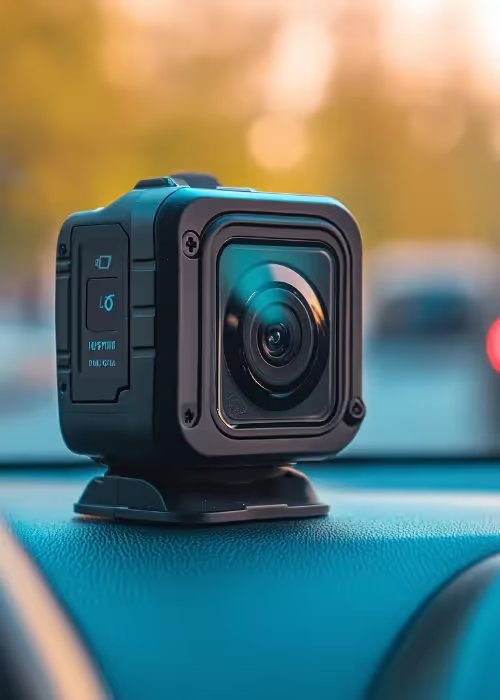
Telematics combines telecommunications and informatics to send, receive, and store information about vehicles and drivers. Think of it as your fleet's nervous system, it constantly collects data and sends it back to you in real-time. 

Using GPS vehicle tracking, onboard diagnostics, and wireless communication, telematics systems monitor: 

  • Vehicle location and movement 

  • Driver behavior 

  • Engine performance 

  • Fuel consumption 

  • Maintenance needs 

Modern fleet management systems like RAM Tracking make these insights easy to access via user-friendly dashboards and automated reports.  

How Does Telematics Work? 

Here's how a typical telematics system works: 

  1. Data Collection: Small devices installed in vehicles collect real-time data. 

  1. Data Transmission: This data is securely sent via mobile networks to cloud-based servers. 

  1. Data Processing: Advanced software turns raw data into useful insights 

  1. Information Delivery: You receive clear reports and alerts through web portals or mobile apps 

Having telematics is like having a personal assistant monitoring each vehicle 24/7. 

Key Benefits for Your Business 

1. Know Where Your Fleet Is at All Times 

Real-time GPS tracking means no more guessing games. You'll know exactly where each vehicle is and when it will arrive at the next job. This means better customer communication and fewer "where are you?" phone calls. 

2. Improve Driver Safety and Behavior 

Telematics monitors driving habits like: 

  • Harsh braking and acceleration 

  • Speeding 

  • Cornering 

  • Idle time 

With the right coaching, telematics encourages safer driving and can help reduce accidents and insurance costs. 

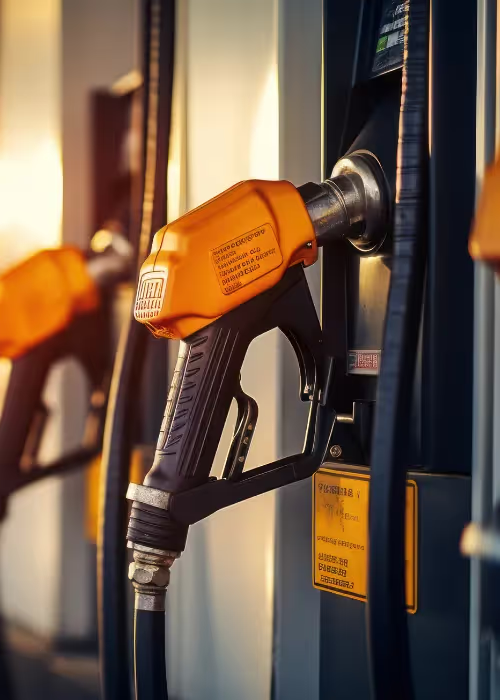
3. Cut Fuel Costs Dramatically 

Fuel is one of the biggest fleet expenses. Telematics helps you cut costs by: often represents a significant portion of fleet operating costs. Telematics helps you: 

  • Reducing idling time 

  • Planning more efficient routes 

  • Monitoring fuel usage patterns 

Businesses typically save £256 per vehicle, per month on fuel costs through better monitoring of drivers and their vehicles.  

4. Reduce Vehicle Maintenance Costs 

Preventive fleet maintenance is cheaper than emergency repairs. Telematics systems alert you to: 

  • Engine warning lights 

  • Battery issues 

  • Tyre pressure problems 

  • Service due dates 

This proactive approach keeps vehicles on the road longer and reduces costly breakdowns. 

5. Monitor Vehicle Usage and Prevent Misuse 

Telematics tracks when and where vehicles are used, helping you identify: 

  • Out-of-hours usage 

  • Unauthorised trips 

  • Private use of company vehicles 

  • Vehicles being used outside designated areas 

This helps protect your assets, control insurance risk, and reduce unnecessary wear and tear.  

Common Telematics Applications 

  • Fleet Tracking & Management – See vehicle locations and plan smarter routes. 

  • Driver Behavior Monitoring – Use driving data to coach and train staff. 

  • Maintenance Scheduling – Receive alerts before issues become breakdowns. 

  • Fuel Management – Monitor fuel use and identify waste. 

  • Compliance Reporting – Automate reports for DVSA inspections and driver hours. 

Industries That Benefit Most from Telematics 

  • Construction – Track vehicles and heavy machinery across job sites. 

  • Delivery Services – Improve ETA accuracy and customer satisfaction. 

  • Field Services – Reduce downtime between appointments and improve scheduling. 

  • Transportation – Stay compliant and cut fuel costs on long-distance routes. 

  • Utilities – Manage emergency callouts and keep equipment well-maintained. 

Common Concerns About Telematics 

"My Drivers Won't Like Being Monitored" 

Frame telematics as a safety and efficiency tool, not surveillance. Many drivers appreciate features that help them work more efficiently and safely. 

"It Seems Too Complex" 

Modern systems are designed for simplicity. Most business owners are surprised by how easy telematics is to use. 

"The Cost Seems High" 

Calculate the return on investment. Most businesses recover their telematics costs quickly through operational savings and improved efficiency. 

"We're Too Small for This Technology" 

Telematics benefits businesses of all sizes. Even single-vehicle operations see immediate improvements in efficiency and customer service. 

What Results Can You Expect? 

Telematics delivers measurable improvements for businesses of all sizes: 

  • Tree Amigos increased productivity by 25% by using vehicle tracking and smarter route planning. 

  • O’Hara saves $200 a week on overclaimed time with timesheet reporting. 

Other RAM customers have reported: 

  • Up to 50% less time spent on admin 

  • Fewer accidents and claims thanks to safer driving habits 

  • Improved customer satisfaction through accurate ETAs 

Whether you're managing a handful of vans or a national fleet, the results are consistent; lower costs, better visibility, and smoother operations. 

Take Action Today 

Telematics isn’t just a nice-to-have, it’s a proven way to cut costs, improve safety, and run a more efficient operation.  

With real-time insights into your fleet, you’ll make faster decisions, reduce risk, and spend less time on paperwork. 

If you're still relying on guesswork, now’s the time to change that. Contact us today for a no-obligation quote and discover how telematics can benefit your operation. 

About The Author  

Richard Blown is Chief Technology Officer at RAM Tracking, where he leads product innovation and technical strategy.  

With over 25 years of experience in fleet telematics and connected vehicle technology, Richard has pioneered solutions that bridge the gap between theoretical safety improvements and practical business benefits.  

His hands-on approach to product development ensures RAM's solutions solve real-world problems faced by fleet operators. 

Ask us anything