An ELD or E-Log is an electronic logging device. This device is an electronic piece of hardware installed to a vehicle engine to record driving hours.
This is a legal requirement in many countries and can also have variations within regions within countries as well. Europeans, for example, use drivers' working hours where in the USA it’s known as the HOS (hours of service) and in Canada, it’s the Canadian hours of service.
There are some variations between the United States and Canada which are important to know which we will come onto. RAM Tracking offers a fully certified offering which covers all of North America.

An ELD monitors a vehicle’s engine and will capture:
Prior to ELDs the standard was to use old fashioned paper logs or EOBRs (electronic on-board recorders) to track the hours driven. EOBRs significantly improved accuracy but not quite consistent enough for the new legislation needed and new ELDs are unable to be manually altered.
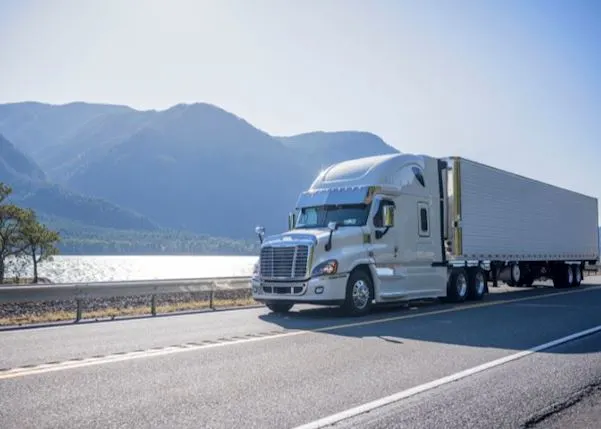
Canadian ELD regulations have been introduced through several phases:
December 18, 2017 - Start of regulation recognition.
June 13 2019 - Canada announced a mandate of ELDs for Trucks and bus operators
December 2019 - Fleets already equipped with loggers or recorders had until to ensure compliance with the published specifications
June 12 2022 - Deadline for going paperless
January 1 2023 - Extended deadline
United States ELD regulation has been introduced through several phases:
December 16, 2015 - ELD Mandate published.
February 16 2016 - ELDs came into effect.
December 18 2017 - End of transition phase.
December 16 2019 - Compulsory phrase live.

The Canadian introduction now means that the rules are more harmonious both north and south of the border, with a few differences. Similarities include:
There are some differences, however and these are:
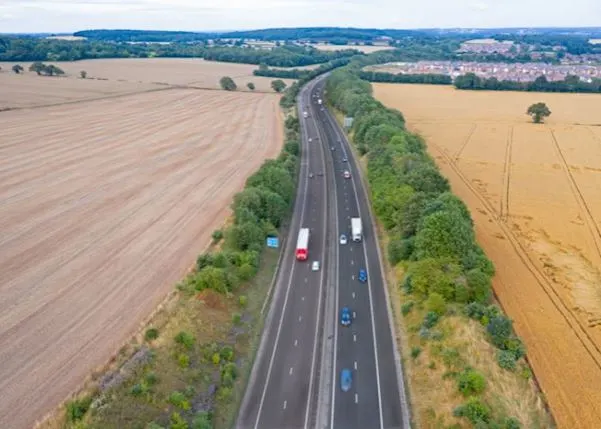
Hours of service are a limit introduced to ensure that drivers are not being overworked and are taking the necessary steps to avoid fatigue and, in the worst-case scenario, falling asleep at the wheel. The rules are set out to ensure that drivers are in a fit state to carry out their work. Laid out in the plan are the:
Canadian Rules South Of 60 degrees
Canadian Rules North of 60 degrees
Because of the adverse conditions and long distances between towns, rules are accommodating of these factors
Do you have a question? Ask us anything