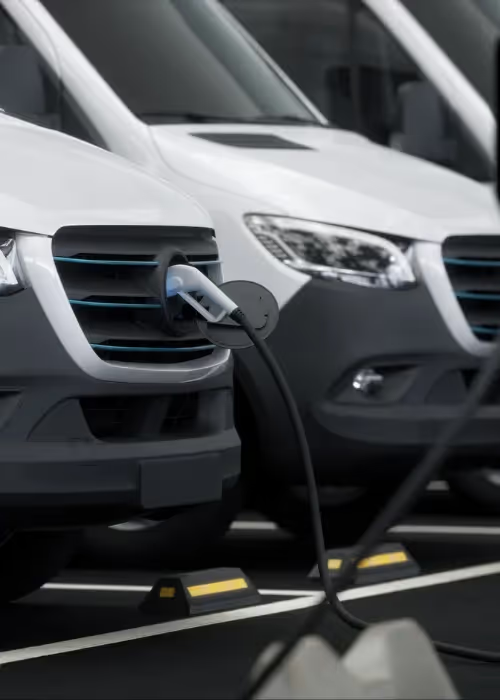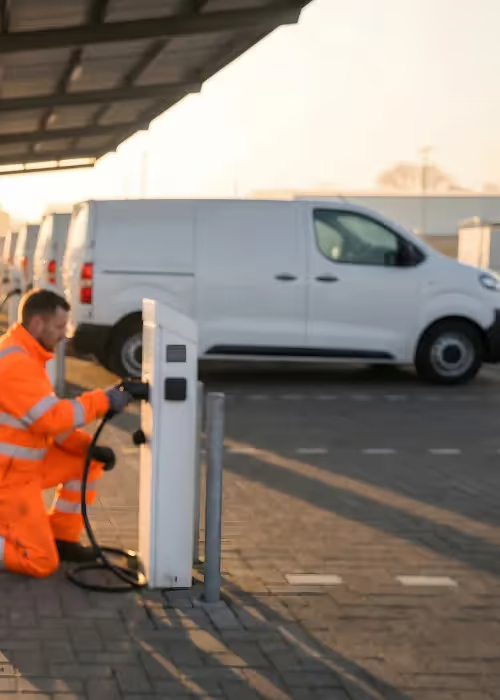
How to Electrify Your Fleet: US Guide
Delivery vans covering local routes make ideal first candidates. Service vehicles visiting customer sites within a defined area work well. Long-distance or variable-route vehicles can wait.
Use Telematics Data
GPS tracking reveals actual mileage, routes, and usage patterns. This data shows which vehicles are the ideal candidates for electrification right now.
Your tracking data shows exactly how far vehicles travel; so you might find more vehicles suit electrification than you expected.
Consider Total Cost of Ownership
When considering electric vehicles, you should focus on the total cost of ownership rather than purchase price alone. Factors you’ll need to include are:
- Purchase or lease costs
- Fuel/electricity costs
- Maintenance and servicing
- Insurance
- Tax implications
- Residual values
Electric vehicles typically show better total cost of ownership over time despite higher initial prices.
Building an Electrification Strategy
Moving from planning to action requires a structured approach that brings your team along and addresses practical implementation challenges.
Set Realistic Timelines
You don't need to electrify your entire fleet immediately. A phased approach lets you build experience, identify operational changes needed, and demonstrate cost savings to justify further investment.
The shift to electric vehicles is accelerating. Planning your vehicle replacement cycles now helps you stay ahead of this transition rather than reacting to it later.
Involve Stakeholders
Involving stakeholders will be key to successfully electrify your fleet. Invest in training for drivers and maintenance staff. Cover not just how to drive and maintain electric vehicles, but why you're making this change and how it benefits the business and them personally.
Proper training and open communication address concerns before they become problems and driver resistance decreases dramatically after hands-on experience.
Some drivers even become electric vehicle advocates, actively preferring them over traditional vehicles once they've experienced the difference. Initial scepticism gives way to appreciation of smooth acceleration, quiet operation, and convenient charging.
Job management systems help schedule training alongside normal operations, ensuring everyone receives proper instruction without disrupting service.
Explore Incentives and Grants
Government incentives can significantly reduce electrification costs. The Workplace Charging Scheme provides grants towards installation costs.
Enhanced capital allowances let you claim 100% first-year allowances on electric vehicle purchases, reducing your tax bill. These incentives change regularly, so research current schemes before making purchase decisions.
Plan Charging Infrastructure
Infrastructure investment extends beyond the vehicles themselves. You'll need:
- Charging infrastructure at your depot
- Possible electrical upgrades to your premises
- Route planning software that accounts for charging needs
Most fleet operators find depot charging provides the best balance of convenience and cost control. Vehicles charge overnight when electricity rates are lowest, and you start each day with full batteries.
Smart charging systems optimise when vehicles charge based on electricity rates and grid demand, dramatically reducing energy costs.
Consider installing more charging capacity than immediately needed. The cost difference is relatively small, and expansion later becomes much more expensive.
Address Range and Charging Concerns
Range limitations create the biggest barrier to fleet electrification. However, most fleets overestimate their actual range requirements. And with most new electric cars achieving between 200 and 350 miles before needing to plug in, that is more than sufficient for typical fleet operations.
When you need midday top-ups, charging speed is crucial. For vehicles charging overnight at your depot, speed becomes irrelevant as vehicles sit idle for 8+ hours anyway.
Rapid charging at motorway service stations can add significant range in relatively short times. For most fleet operations, this provides adequate flexibility for occasional longer journeys.
Another option is to lease or hire electric vehicles for trial periods before making major investments. This lets drivers experience them and test them on actual routes, revealing issues you hadn’t considered and building confidence in the technology.
The Role of Data and Tracking in an EV Fleet
Data transforms electrification from guesswork into precision management. The right tracking tools help you optimise every aspect of electric vehicle operations.
Support Through Fleet Tracking
Fleet management software provides complete visibility across your operation. These platforms connect vehicle data and charging patterns, driver behaviour and performance, job scheduling, and maintenance tracking and alerts.
Geofencing let’s you track which vehicles enter clean air zones, helping you identify routes where electric vehicles will deliver the biggest compliance benefits.
Reducing Downtime and Maximising Performance
Vehicle health trackers provide real-time insights into vehicle condition. For electric vehicles, this means monitoring battery health, charging efficiency, and potential issues before they cause breakdowns.
This proactive approach prevents problems rather than reacting to failures. You can schedule maintenance during quiet periods rather than losing productivity to unexpected breakdowns.
EV tracking captures information automatically. You can analyse actual performance rather than relying on assumptions or manufacturer claims. Each vehicle you electrify provides data and insights about which routes work well, where charging challenges occur, and how drivers adapt.
Move Forward with EV Fleet Tracking
Electrifying your fleet is an ongoing journey. Success comes from careful planning, proper technology, and continuous improvement.
The key to success is taking action today: explore opportunities, make data-driven decisions, and build a roadmap that fits your fleet.
Ready to electrify your fleet? Contact us today for a demonstration of how integrated fleet management makes the transition simpler and more cost-effective.
About the author
Richard Howard brings nearly a decade of front-line sales experience at RAM, having supported businesses across diverse sectors with their fleet management and asset tracking needs.
Throughout his nine years with RAM, Richard has developed a comprehensive understanding of the operational challenges that trades and field service businesses face daily. His client-first approach focuses on matching the right technology solutions to real-world problems, helping fleet operators gain better visibility, control costs, and protect valuable assets.
When he's not helping businesses optimize their fleets, Richard is a passionate traveller who loves exploring new destinations, experiencing live music, and discovering great food wherever he goes.
Reduce costs, improve visibility, and keep your business running efficiently with RAM solutions.