Van Tracker Costs: What to Expect For Your Fleet
If you're managing a fleet of vans, you might wonder about van tracker cost and whether it's worth the expense. GPS van tracking systems are increasingly popular for improving efficiency and security, but how much does it actually cost to install van trackers in your vehicles? This article breaks down what to expect, from upfront device purchases to monthly subscriptions, and how these costs translate into value for your business.
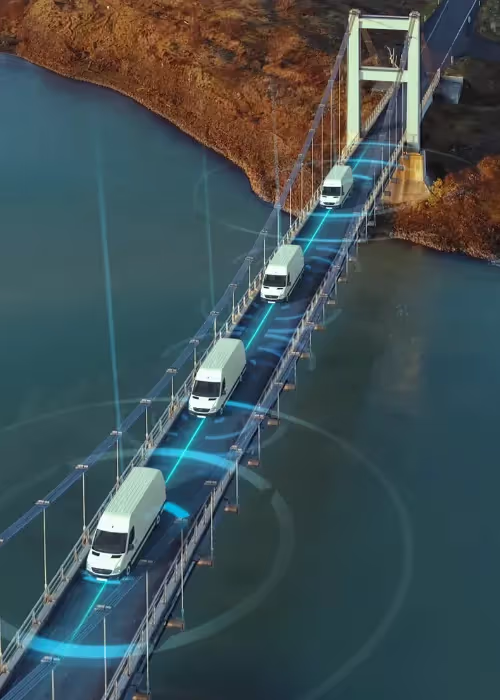
Van tracking systems use GPS devices in each vehicle to send location data to a software platform. The platform lets you see where your vans are in real time on a map, generate reports on driver behavior and routes, and set up alerts (for example, for unauthorized use or maintenance reminders).
Because of this hardware-plus-software setup, van tracker costs typically include both an upfront payment for the device (and installation) and an ongoing service fee for data and software access. In the sections below, we'll explore how much van trackers cost (upfront vs. subscription), what factors affect the price, and why these systems are often worth the investment through the savings they provide.
How much do van trackers cost? (Upfront vs. subscription)
The price of van tracking systems generally comes in two parts: the upfront cost of the tracking device and the subscription cost for the tracking service. Some providers charge a one-time fee for the hardware, while others include the device for free but require a monthly fee for the service. Understanding the split between these costs is key to budgeting for a van tracker.
Upfront device costs: If you buy GPS fleet tracking units outright, expect roughly $50–$300 per van, depending on the sophistication. High-end hardwired van trackers with advanced features can cost $300+ each. This might include professional installation (some providers install for free). Owning the hardware means no monthly device rental, but you'll still need a data plan or software platform to use the van tracker.
Monthly subscription costs: Most fleet tracking solutions charge a recurring fee per vehicle instead. Subscription costs typically range from about $15 to $35 per month per van for basic tracking, and more for feature-rich plans. Entry-level services start around $15–$25/month per van. The subscription covers the tracking software, cellular data, updates, and support. Premium plans (with extras like driver analytics or dash cam integration) will be at the higher end of the range.
RAM offers tracking plans starting from $14.99 per month. Explore pricing and packages.
One-time purchase vs. monthly subscription: which van tracking pricing is better?
There are two main pricing models for van trackers: paying all at once upfront, or paying on an ongoing basis via subscription.
One-time purchase (upfront)
What: You buy the van tracking device outright.
Pros: No ongoing payments for hardware, potentially cheaper in the long run, and you own the equipment (giving you flexibility to switch platforms or providers).
Cons: Higher initial cost, and you must handle the device setup, data plan, and any software yourself. Features may be more limited without a professional service, and technology can become outdated (meaning future upgrade costs).
Monthly subscription
What: Little or no upfront cost. The vehicle tracking provider supplies the device, and you pay a recurring fee.
Pros: Low startup cost, plus installation, robust software features, connectivity, and support are all included. It's convenient and scalable, with the provider maintaining the system.
Cons: The total cost can be higher over time, and you're usually locked into a contract. You also don't own the devices, so if you cancel the service, you may have to return them.
In short, if you have just one or two vans and need a bare-bones solution with no ongoing fees, an upfront purchase might be enough. But for most businesses that want reliable van tracking, rich features, and minimal hassle, a subscription model offers better value despite the monthly cost.
What factors influence the cost of van trackers?
Not all van tracking systems are priced equally. Several factors influence how much you'll pay.
Hardware type: The type of van tracker affects cost. Simple plug-and-play units (that plug into the van's OBD-II port) tend to be cheaper than hardwired units that require installation. Rugged or feature-packed devices (with tamper alerts, internal batteries, etc.) will cost more than basic models.
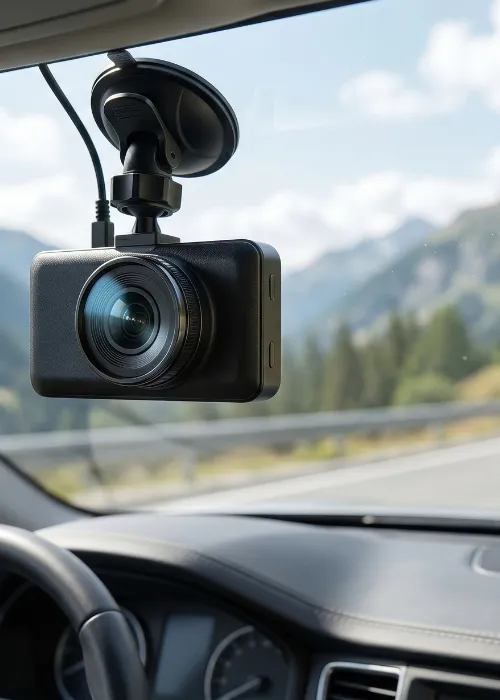
Features and functionality: The more advanced features you need, the higher the price. Basic vehicle tracking provides location updates, while premium systems add things like driver behavior monitoring, fuel usage reports, or connected dash cams. These extra features often come in higher-tier plans or as add-ons. If you only need simple tracking, you can opt for a cheaper plan, but if you want all the bells and whistles, expect to pay more.
Installation and maintenance: Professional installation will add to the upfront cost unless it's included. Some providers include installation free, especially for multi-vehicle installs or contract customers. If not, installation might cost around $75–$150 per vehicle. Also consider maintenance. Many subscription services include free device replacement or warranties, which is part of what you pay for in the fee.
Data connectivity: Van trackers transmit data over a cellular network. In most cases, the data charges are bundled into the subscription. If you're sourcing your own SIM, you'll need to factor in that monthly data cost. (Real-time van trackers that send frequent updates use more data, but most systems optimize data use.) If your vans cross into Canada or Mexico, cross-border coverage or extra fees may affect the cost as well.
Fleet size and contract length: The number of vehicles you're tracking and your commitment term can influence the price per unit. Providers often offer volume discounts, so the more vans you equip, the lower the per-van cost. Likewise, signing a longer contract (e.g. 3 or 5 years) usually brings the monthly price down. A single van on a month-to-month plan will cost more per month than a fleet of 20 vans on a 3-year deal.
Provider and package: Prices vary by provider. Big-name telematics companies with very comprehensive platforms may charge a premium, while smaller providers or DIY solutions can be cheaper. Also look at what's included in the package. Some services include driver training, analytics dashboards, or documentation you can share with your insurer (which could help lower your premiums). When comparing quotes, make sure you're comparing apples to apples in terms of features and support.
Understanding these factors will help you make sense of quotes from different providers and choose a van tracking solution that fits your budget and requirements.
Are van trackers worth the investment?
After looking at the costs, you might ask: are van trackers actually worth it? For most businesses, the answer is yes. The benefits and savings usually outweigh the expenses. Here are some ways a van tracker can deliver a return on investment.
Fuel savings: GPS fleet tracking often leads to lower fuel bills. By cutting excessive idling and optimizing routes, RAM customers save up to 15% on fuel. These fuel savings alone can make the system pay for itself within the first year, sometimes in just a few months.
Improved efficiency and productivity: With real-time visibility, you can dispatch the closest van to a job, avoid unnecessary detours, and keep drivers on schedule. Many businesses find they can complete 2–3 extra jobs per day with the same number of vehicles, directly boosting revenue.
Theft prevention and recovery: A van tracker is a powerful theft deterrent and recovery tool. If a vehicle is stolen, you can locate it quickly and share its location with the police. Vehicles with trackers have far higher recovery rates than those without. Preventing even one stolen van (or recovering it fast before it's damaged or stripped) can save you tens of thousands of dollars.
Lower insurance premiums: Many commercial auto insurers offer discounts for fleets with GPS tracking, because they know the risk is lower. Over time, those savings on insurance can be substantial, effectively offsetting some of the tracking costs.
Compliance and accountability: Fleet tracking devices automatically log driving hours, routes, and stops. This helps with recordkeeping (for example, accurate work hours for payroll or mileage logs for IRS deductions) and eliminates manual logbooks. It also increases accountability, since you have a clear record if there are any disputes about where a van was at a certain time.
Maintenance alerts: Many van tracking systems will remind you when fleet maintenance is due (like oil changes, servicing, or state inspections) based on mileage. Staying on top of maintenance can prevent breakdowns and expensive repairs. Monitoring driver behavior (like harsh braking or speeding) also helps reduce wear and tear on your vans, saving on maintenance in the long run.
To put the benefits in perspective, US businesses using RAM save up to $380 per month. That kind of saving far exceeds the cost of the van tracking system, and even smaller fleets can expect proportionate savings that justify the investment.
In short, van trackers tend to pay for themselves quickly by cutting costs and improving operations. After that, they continue to deliver value year after year. Beyond the financial ROI, they also provide peace of mind and smoother fleet management, which is hard to put a price on.
Want to get a van tracking quote for your fleet?
Ultimately, when evaluating van tracker cost, it's important to weigh it against the potential savings and benefits. In most cases, businesses find that investing in van trackers is a smart move that pays off through lower fuel and insurance costs, improved productivity, and enhanced security.
The question often becomes: can you afford not to have them? By choosing the right vehicle tracking solution for your needs, you'll gain a more efficient, secure, and profitable operation that justifies the expense many times over.
Want to see how a van tracking system can benefit your business? Book a demo with RAM today.
About the author
William Wright (Director of Telematics Sales, North America) brings nearly two decades of front-line sales and account leadership experience to RAM's North American business, having spent his career helping companies across logistics, transportation, and business services solve operational problems with technology.
Since joining RAM, William has focused on the challenges facing trades, service, and delivery fleets across the US and Canada; rising insurance costs, disputed accident claims, unproductive vehicle hours, and the administrative drag of running a mobile workforce. His approach starts with the operational reality rather than the feature list, matching each business to the right combination of vehicle tracking, AI dash cams, and job management software.
Earlier in his career, William held sales leadership positions at Freightcom and Loadlink Technologies, and spent several years in customer retention and client solutions roles at Shred-it and Bell, experience that shaped a consultative style built on keeping customers, not just winning them.
When he's not helping fleet operators get more from their vehicles, William is a lifelong ice hockey fan, a sport he'll happily talk about at length, given the chance.
Reduce costs, improve visibility, and keep your business running efficiently with RAM solutions.