Managing a growing fleet
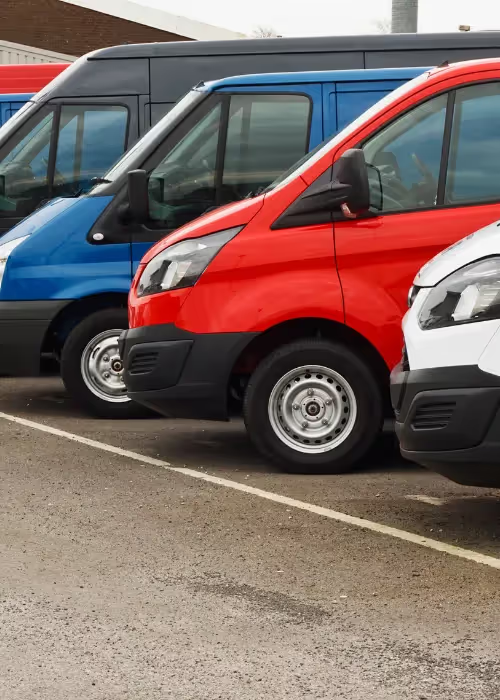
As your fleet grows, keeping track of vehicles, drivers, maintenance and compliance becomes harder. What worked when you had 5 vans can quickly become a headache at 20, and by 50, you may need some dedicated systems and someone responsible for keeping everything running smoothly.
Most businesses don't set out to run a fleet. A new contract lands, so you buy another van. A second engineer starts, so you lease one more. Gradually, managing your fleet becomes a job in itself, taking time away from the work that actually generated revenue.
You're far from alone. According to the DVSA, there are more than 3.6 million vans used for business across the UK.
But the challenges of managing 5 vans aren't the same as managing 20 or 50. This guide looks at what typically changes as your fleet grows, including:
- What usually stops working
- What systems and processes you should put in place
- What can leave until your fleet grows further
The 10, 20 and 50 van milestones are rough guides rather than hard rules. Businesses with long routes, multiple drivers or more complex operations may reach these challenges sooner, while smaller fleets operating locally may not need the same level of structure.
Small fleet management: running up to 10 vans
Up to around 10 vans, the owner usually runs the fleet alongside everything else. The tools used tend to be spreadsheets, WhatsApp groups and service dates that live in someone's head. That works, right up until it doesn't.
Common problems in a small van fleet
The first crack is usually a simple one: you no longer know where everyone is. Customers ring to ask when their engineer or delivery will arrive, and the only way to answer is to phone the driver.
Other things start slipping at this size too:
- Renewal dates get missed - Vans need an MOT every year once they're three years old. GOV.UK says you can be fined up to £1,000 for driving without a valid MOT, and the same again for driving without vehicle tax.
- Nobody's sure who had which van - If a speeding notice arrives, the registered keeper has a legal duty to name the driver. Section 172 of the Road Traffic Act 1988 gives you 28 days from the notice to provide that information. Shared keys and swapped vans make that hard to answer without some form of driver identification.
- Fuel and mileage become guesswork - Paper receipts and estimated mileage are easy to manage for two vans. At eight, they quietly eat into your evenings.
What a small fleet needs in place
You don't need a full fleet department yet. You need a few simple foundations:
- Basic van tracking - Knowing where vans are answers customer calls in seconds, supports theft recovery and builds a record of who drove where.
- One calendar for every renewal - MOT, service, tax and insurance dates for every vehicle in one place, with automated maintenance alerts set well ahead of each deadline.
- Driving licence checks - Check every driver's licence when they join, then repeat the check regularly. It's much easier to set this habit at five drivers than at 25.
- A short written vehicle policy - Cover who can drive which vehicle, whether private use is allowed, phone use and what to do after incident. One page is plenty at this stage.
What a small fleet can leave until later
Dedicated fleet software, dash cams on every vehicle and a formal fleet manager role can usually wait. Get the basics recorded properly first, because everything you add later builds on that data.
Managing 10 to 20 vans: when you need a fleet manager
Between 10 and 20 vans, someone becomes the fleet manager without ever being asked. It might be the office manager, an operations lead or the owner's partner. They now spend a chunk of every week chasing renewals, juggling jobs and answering "where's my engineer?" calls.
ASB Delivery Services shows how quickly this stage can arrive. Owner Alex Bailo started with one van in 2008 and felt the strain at just two, when clients began ringing for delivery times.
In 2020, the business grew from 6 to 20 vans in a single year after winning major retail contracts. With 10 to 12 stops per van each day, accurate ETAs became the priority. It now runs 28 vehicles.
Challenges of running 10 to 20 vans
- Job scheduling becomes the bottleneck - A whiteboard and a group chat can't keep up with late cancellations, emergency call outs and engineers with different skills.
- Customers expect ETAs - "Sometime between 8 and 1" stops being good enough once your competitors give a live arrival time.
- A grey fleet creeps in - Staff start using their own cars for site visits or parts runs because there isn't a spare van. Those journeys still count as work driving. HSE says the law applies whether someone uses their own vehicle or a company one, apart from commuting.
Fleet compliance rules for 10 to 20 vans
This is the stage where informal habits start to carry real risk. A few areas need proper attention.
Duty of care
HSE says employers must manage the health and safety risks to anyone who drives as part of their job. That means assessing the risks, recording what you've done about them and checking it's working.
Daily walkaround checks
Operators should carry out daily walkaround checks before vans are used, record defects and fix major ones before the van goes out. The DVSA also recommends keeping defect, maintenance, repair and servicing records for at least 15 months.
Paper forms work for five vans. At 15, they get lost in cabs and are hard to find during an inspection.
Around 15,600 vans a year are stopped by the DVSA in targeted roadside checks and they estimate that being stopped can cost up to £4,000 per vehicle, per day. GOV.UK says using a van in a dangerous condition can lead to a fine of up to £2,500 and three penalty points.
Drivers' hours
GOV.UK says that if your drivers drive a van for business for more than four hours a day, they must follow the GB domestic rules on drivers' hours. DVSA also says employers must monitor mobile workers' working time and keep those records for at least two years.
Operator licensing
Most standard vans don't need an operator's licence. According to GOV.UK, you need one for goods vehicles over 3,500kg gross plated weight, or a van and trailer over that limit combined. Check this before buying a heavier van or starting to tow.
Fleet insurance
There's no single fleet size where you must switch to a fleet policy, and the number of vehicles that counts as a fleet differs from insurer to insurer. It's worth asking a broker to compare a fleet policy against individual policies once you're past a handful of vans.
Fleet management tools for 10 to 20 vans
- Digital vehicle checks that drivers complete on their phone, so defects reach the office the same day.
- Automated licence checking connected to the DVLA, rather than photocopies in a folder.
- Geofences around customer sites and depots, so arrivals and departures are logged automatically.
- A job scheduling system - This is a separate step from tracking. Tracking tells you where vans are. Job management tells you what each engineer should be doing next.
What a 10 to 20 van fleet can delay
Formal replacement cycles, a dedicated fleet manager hire and dash cams across the whole fleet can usually wait until you're nearer 20 vans. If claims or driver behaviour are already an issue, though, bring dash cams forward.
Managing 20 to 50 vans: building fleet systems and policies
By 20 to 50 vans, fleet management is a proper role with written policies behind it. The biggest risk now is a single point of failure. If one person holds every renewal date and driver issue in their head, the fleet stalls when they're on holiday.
Challenges of running 20 to 50 vans
- Replacement decisions become reactive - Vans get replaced when they break down, not when it makes financial sense.
- Claims take up whole days - Without footage, a disputed accident comes down to one driver's word against another's.
- Different teams do things differently - Each depot or division has its own way of handling checks, fuel and accidents, so reporting doesn't line up.
Rilmac Group is a good example. It started with basic tracking on its scaffolding fleet, then wanted more insight into speeding, harsh braking and arrival times. Tracking has since spread across the whole group, giving every division the same reporting.
What a 20 to 50 van fleet needs in place
Planned replacement cycles
Decide when vans are replaced based on age, mileage and running costs, then budget for it. It's also the time to weigh up whether to lease or buy vehicles directly.
Keeping an eye on battery and engine health between services helps too, which is where vehicle health trackers come in.
Formal driving and vehicle policies
Your one page policy now needs to grow into a proper driving for work policy. It should cover accident reporting, phone use, private mileage, licence checks and how defects are handled. A written fleet risk assessment gives you a record of the risks you've identified and how you're controlling them.
Dash cams for claims handling
Footage turns a disputed claim into a quick decision. JML Group, which has used RAM for nine years, recently upgraded from SD card dash cams to connected dash cams so it has footage ready for insurance purposes.
Clear rules on data protection
Tracking and cameras collect personal data about your drivers. The ICO says workers should usually be told about monitoring before it starts. It also recommends involving them in a data protection impact assessment.
The guidance is under review following the Data (Use and Access) Act, so check the latest version.
If drivers can use vans privately, a privacy switch lets them turn off location tracking outside work while mileage is still recorded.
Managing a fleet of more than 50 vehicles
Growth past 50 can bring new vehicle types, such as lorries over 3.5 tonnes. Heavier vehicles bring operator licensing, drivers' hours and tachograph rules that don't apply to most vans, so plan for them well before the first one arrives.
Fleet management systems to set up early
The cheapest time to build good fleet habits is before you need them. Each of these takes an hour or two at eight vans. At 30, the same job means weeks of digging through old paperwork.
- A single vehicle register - One record per van with its registration, design gross weight, whether it's owned or leased, renewal dates and who usually drives it. The design gross weight on the VIN plate decides its MOT class and whether operator licensing applies, so record it from day one.
- A driver file for every driver - Licence check dates, any training, assessments and incidents. When a driver changes vans or leaves, the history stays with the business.
- Vehicle groups that match how you work - Group vans by team, depot or contract in your tracking system from the start. When you add vans later, they slot straight in and your reports still compare like with like.
- One defect process - Decide who a driver reports a defect to, who signs off the repair and how quickly. Write it down once, then train every new starter on the same process.
- A privacy notice for drivers - Tell drivers what you track, why and how long you keep it before the first tracker goes in. Adding this later, after drivers have been tracked for months, is much harder.
- One way to handle fuel - Pick a single approach for fuel and expenses, such as a business fuel card, rather than a mix of cards, cash and receipts. Mixed methods are fine for three vans and painful to unpick for 30.
None of these needs expensive software. They just need doing once, properly, so that growth adds vans rather than chaos.
Vehicle tracking and dash cams that grow with your fleet
RAM's tracking and dash cam packages are built in steps, so you can start with what you need now and move up as the fleet grows. Here's how they line up with each stage:
You don't have to follow this path exactly. A five van courier with lots of claims might want Live Alert from day one. A 30 van firm with few incidents might stay on SD cameras for longer.
Plan your fleet management as your business grows
A growing fleet rarely fails all at once. It frays at the edges: a missed MOT, a lost defect sheet, a customer with no ETA. Start with visibility, add structure as admin builds, and set up a proper system before one person becomes the bottleneck.
Ready to get your growing fleet under control? Contact us for a free quote with no obligation to see how RAM can support your fleet at every stage.
FAQs about managing a growing fleet
When does a business need a fleet manager?
A business needs a fleet manager when fleet admin starts taking up a real share of someone's week and things slip when they're away. There's no legal fleet size that triggers it. A good sign is that the role already exists informally, even if nobody has the job title yet.
When should I switch to fleet insurance?
You should look at switching to fleet insurance once you have several vans and renewals become hard to manage separately. Each insurer sets its own minimum number of vehicles, so there's no fixed point. A broker can compare a fleet policy against individual policies for your mix of vehicles and drivers.
Do I need an operator licence for vans?
No, you don't usually need an operator licence for vans with a gross plated weight of 3,500kg or less. That changes if you run heavier vans, tow trailers that take the combined weight over the limit, or carry goods for hire or reward in Europe. GOV.UK confirms that hire or reward work in Europe with vans needs an operator licence and a transport manager.
When is it worth getting vehicle tracking for vans?
It's worth getting vehicle tracking as soon as you can't easily answer where your vans are or who was driving them. That point often arrives sooner than expected, once customers start asking for arrival times. The numbers depend on your fuel, labour and admin costs, so it helps to calculate the ROI of vehicle tracking for your own fleet.
Do van drivers need to do daily walkaround checks?
Yes, van drivers should do a daily walkaround check before each day's driving. You should record any defects and fixing major ones before the van is used. It's a simple habit that protects drivers and gives you a record if a van is stopped at the roadside.
Is it legal to track my employees' vans?
Yes, it is legal to track company vans, provided you handle the data in line with UK GDPR. In practice, that means having a clear reason for tracking, telling drivers about it before it starts and not collecting more than you need. If vans are used privately, give drivers a way to switch off location tracking outside working hours.
View our guide on vehicle tracking and the law for more information.
About the author
Michael Hoyle is the Head of Account Management at RAM, where he leverages over 7 years of industry experience to drive customer success and operational excellence.
With a deep understanding of job management solutions and fleet tracking technology, Michael has established himself as a trusted leader in the telematics space.
His customer-centric approach and analytical mindset have helped countless businesses optimise operations, reduce costs, and improve efficiency.
Reduce costs, improve visibility, and keep your business running efficiently with RAM solutions.