The Impact of Speeding in a Company Car in the UK
There are around 1.8 million fleet vehicles in the UK. When drivers exceed the speed limit in company vehicles, the cost is much higher than a simple fine.
Speeding affects safety, costs, compliance, and company reputation in ways many fleet managers don't fully appreciate.
This article explains who is responsible for speeding in a company vehicle and what businesses can do to reduce the risks and protect their drivers.
What Counts as a Company Car in the UK
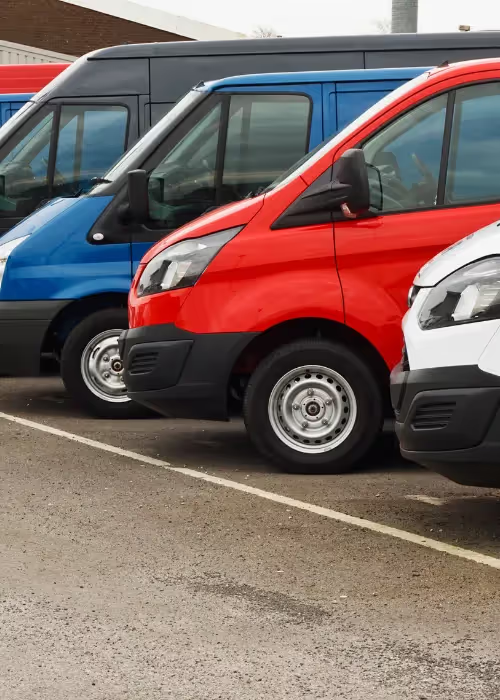
A company car is any vehicle provided by an employer for business use, whether fully owned, leased, or part of a salary sacrifice scheme. This includes vans, trucks, and passenger vehicles used by employees for work-related travel.
If your business name appears on the vehicle or it's registered to your company, it's considered a company car for legal and insurance purposes.
What Happens if You Are Caught Speeding in a Company Car
When a driver is caught speeding in a company vehicle, the registered keeper (usually the employer) receives a Notice of Intended Prosecution (NIP). The company must then identify the driver within 28 days or face penalties themselves.
The driver faces:
- Penalty points on their licence (typically 3-6 points)
- Fines starting at £100 and increasing based on severity
- Potential driving ban for serious or repeat offences
- Mandatory speed awareness courses in some cases
Many drivers mistakenly believe company car speeding fines are less severe. This isn't true. The penalties are identical to private vehicle offences.
How Speeding Affects Safety for Drivers and the Public
Speeding laws exist to protect everyone on the road. The faster a vehicle travels, the less time a driver has to react to hazards and the greater the impact force in a collision.
Poor driver behaviour puts everyone at risk. It endangers the driver themselves, any passengers in the vehicle, and other road users including cyclists and motorcyclists who are particularly vulnerable. Pedestrians in built-up areas face heightened danger, and behind every serious injury or fatality are families and communities left dealing with devastating consequences that could have been prevented.
When your employees drive company vehicles, you're responsible for ensuring they operate safely and within legal limits.
How Speeding Damages Company Vehicles and Increases Costs
Speeding accelerates wear and tear on vehicles, leading to:
- Increased fuel consumption (up to 30% higher at excessive speeds)
- Faster brake and tyre degradation
- Greater strain on engines and transmission systems
- Higher maintenance and replacement costs
- Reduced vehicle lifespan
Collision repairs following speeding-related incidents can cost thousands of pounds, plus the expense of replacement vehicles while repairs are completed. These costs directly impact your bottom line.
The Impact of Speeding on Insurance Premiums for Businesses
Speeding violations affect your fleet insurance in multiple ways:
- Premium increases at renewal
- Higher excess charges on future claims
- Reduced no-claims discounts for the business
- Difficulty finding competitive quotes with multiple violations
- Potential policy cancellation for serious or repeated offences
Insurance providers track claims data and driving records. Even a single speeding ticket can trigger premium increases that cost your business significantly over time.
How Speeding in a Branded Vehicle Affects Company Reputation
Company vehicles are mobile advertisements. When your logo-branded van speeds through a residential area or drives dangerously, potential customers notice.
Your brand reputation takes a hit every time someone witnesses dangerous driving from your vehicles. It suggests your company doesn't prioritise safety, undermines trust with existing and potential customers, and generates complaints on social media and review sites. Worst of all, it directly contradicts any safety or quality messaging in your marketing as actions speak louder than carefully crafted brand promises.
Professional driving standards strengthen your brand. Poor driving behaviours undermine it.
Who Is Responsible for Speeding in a Company Car
Legally, the driver who committed the offence is responsible and receives the penalty points and fine.
However, employers share responsibility for:
- Ensuring vehicles are roadworthy and properly maintained
- Providing adequate driver training and safety policies
- Monitoring driver behaviour and addressing concerns
- Creating a culture that prioritises safe driving over speed
If an employer fails to meet their duty of care obligations, they may face corporate liability. This is particularly relevant if unsafe driving practices are encouraged or tolerated to meet unrealistic deadlines.
What Employers Are Required To Do Under UK Road Safety Laws
UK employers have legal obligations under health and safety legislation to manage work-related road risks.
Your responsibilities include:
- Conducting risk assessments for work-related driving
- Ensuring drivers hold valid licences with acceptable driving records
- Providing vehicles that are safe and properly maintained
- Establishing clear policies on speed limits and safe driving
- Offering driver training and refresher courses where needed
- Monitoring driver behaviour and addressing unsafe practices
- Investigating incidents and implementing improvements
Failure to meet these obligations can result in prosecution, fines, and reputational damage. In serious cases, company directors can face personal liability.
How to Improve Fleet Safety and Reduce Speeding Incidents
Taking proactive steps to prevent speeding protects your drivers, reduces costs, and demonstrates your commitment to safety. Modern fleet technology makes it easier than ever to identify issues before they become serious incidents.
GPS tracking and dash cams provide complete visibility of how your vehicles are being driven. They deter unsafe behaviours, provide evidence in disputes, and help you coach drivers toward better habits.
Key benefits include:
- Real-time monitoring of vehicle speeds and locations
- Instant notifications when speed limits are exceeded
- Video evidence to resolve insurance claims and disputes
- Protection against false claims and fraudulent accusations
- Driver behaviour reports to identify training needs
- Reduced insurance premiums with telematics-based policies
- Improved compliance with health and safety obligations
Technology works best when paired with smart policies. Your performance data becomes the foundation for regular driver reviews and focused training that actually improves habits.
You can create realistic schedules that give drivers proper time to complete routes without the pressure to speed. Most importantly, you're able to recognise and reward safe driving, building a culture where your team drives responsibly because it's become the standard, not just because they know they're being monitored.
Protect Your Fleet, Reduce Speeding Costs
Speeding in company cars creates serious risks for safety, costs, reputation, and compliance. The good news? You can prevent these issues with the right technology and policies.
At RAM, we provide industry-leading fleet management solutions, giving your full visibility of your drivers and their vehicles. Our solutions help you reduce speeding incidents, protect your drivers, and lower operational costs while staying fully compliant with UK regulations.
Ready to take control of your fleet safety? Contact us for your free no-obligation quote today and discover how much you could save with RAM.
FAQs
Can I be fired for speeding in a company car?
Yes, employers can dismiss employees for speeding in company vehicles, particularly if it's a repeated offence or results in a driving ban. Speeding may constitute gross misconduct depending on your employment contract and company policies.
If your role requires driving and you lose your licence, dismissal becomes more likely as you can no longer fulfil your job requirements.
Does the company pay speeding fines for company cars?
No. The driver who committed the offence is legally responsible for paying the fine and accepting penalty points.
Some employers may choose to pay fines as part of their company policy, but this doesn't remove penalty points from the driver's licence. The employer must identify the driver within 28 days or face their own penalties.
Will speeding in a company car affect my personal car insurance?
Yes. Penalty points from speeding in a company car stay on your driving licence for 4 years (and must be declared to insurers for 5 years). These points will affect your personal car insurance premiums when you renew, typically increasing costs by 23% depending on the severity and your overall driving record.
Can my employer monitor my speed in a company vehicle?
Yes. Employers have the right to monitor company vehicles using GPS tracking and telematics systems. This is legal under UK employment law, provided employees are informed about the monitoring.
Many employers use this technology to ensure compliance with speed limits, improve driver safety, and manage operational efficiency.
Discover the latest laws for vehicle tracking in the UK.
Are company car speeding fines tax deductible for businesses?
No. Speeding fines and penalty charges cannot be claimed as business expenses or deducted from corporation tax. HMRC specifically excludes fines and penalties from allowable business expenses. This applies even if the speeding occurred during work-related travel.
Do I need to tell my employer about speeding tickets in a company car?
Yes. You should inform your employer immediately about any speeding offences in a company vehicle. Your employment contract likely requires this, and failure to disclose could be considered misconduct.
Employers need to know about penalty points to manage insurance policies, assess risk, and fulfil their duty of care obligations.
How long do company car speeding points stay on my licence?
Speeding penalty points remain on your driving licence for 4 years from the date of the offence. However, you must declare them to insurance companies for 5 years. The points don't disappear from your record during this time, though their impact on insurance premiums typically decreases after the first 2-3 years.
Can speed cameras distinguish between company and private vehicles?
No. Speed cameras detect all vehicles exceeding the speed limit regardless of ownership type. The Notice of Intended Prosecution goes to the registered keeper (usually the company for company cars), who must then identify the driver. The penalties are the same whether the vehicle is privately owned or a company car.
What should I do if I receive a speeding notice for a company car I wasn't driving?
Contact your employer immediately. The company, as the registered keeper, must identify the actual driver within 28 days of receiving the Notice of Intended Prosecution. Provide any evidence of your whereabouts at the time of the offence. Falsely accepting or denying responsibility for speeding offences is illegal and can result in serious penalties.
About the author
Daniel Briggs is the Marketing Director at RAM, with a wealth of experience in the Field Service SaaS space and a deep understanding of what fleet managers need for both fleet tracking and job management.
His expertise spans fleet optimisation, driver behaviour management, and technology solutions that deliver measurable business results.
Reduce costs, improve visibility, and keep your business running efficiently with RAM solutions.