Tyre Safety for Fleet Drivers: Tread Depth and Pressure Guide
Research from the Department for Transport shows that properly inflated tyres can improve fuel efficiency by 3%. That might not sound like much, but across your entire fleet over a year, it means real savings.
Getting Pressure Right
Getting tyre pressure right isn't complicated, but it requires consistency. Pressure should be checked monthly for most vehicles, but weekly for high-mileage fleet vehicles. Always check when tyres are cold and ideally before the vehicle has been driven that day. Temperature changes can affect pressure readings, so morning checks give you the most accurate picture.
Remember that tyre pressure needs to match the load. A van carrying a full payload needs a different pressure than one running empty. Your vehicle manufacturer will provide specific guidelines, and it's worth making sure your drivers understand how to adjust pressure based on their typical loads.
Daily Checks: Legal and Safety Requirements
Every commercial driver knows they're supposed to do daily vehicle checks, but tyre inspections often get rushed or skipped entirely. This is both dangerous and illegal.
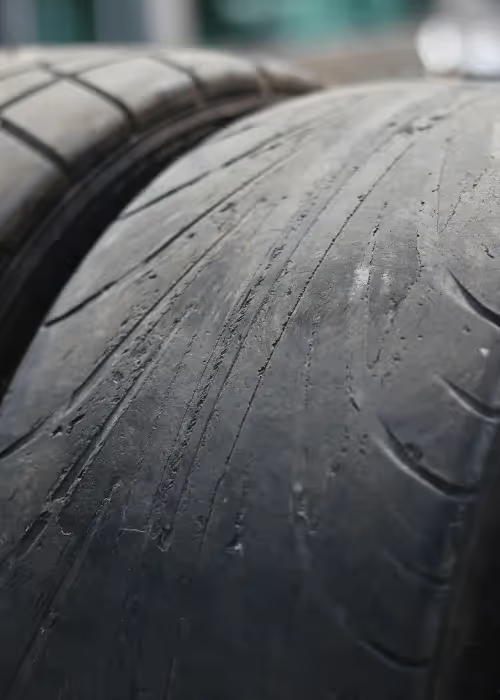
Tyres need at least 1.6mm tread depth across the central three-quarters, no cuts or bulges, correct pressure for the load, and you can't mix different tyre types on the same axle.
The penalties for not meeting these requirements are serious:
- £100 fine and 3 penalty points per defective tyre
- Court prosecution possible in serious cases
- Operator licence issues for repeated violations
- Insurance problems if accidents involve defective tyres
Beyond legal compliance, daily checks create a culture of safety. A proper inspection involves:
- Visual inspection: Look for cuts, bulges, or objects in the tread
- Tread depth: Check using a gauge or coin method across several points
- Pressure testing: Use a reliable digital gauge when tyres are cold
- Load compatibility: Ensure the vehicle's load doesn't exceed tyre ratings
When drivers understand that a few minutes of checking could prevent a dangerous blowout, they're more likely to take it seriously.
Modern Solutions for Tyre Management
Technology has made fleet tyre management much easier than it used to be. RAM Tracking’s digital vehicle check system protects fleets and improves safety. It sends reminders when checks are due, maintains comprehensive records for regulatory audits, and tracks patterns in tyre wear across the fleet.
This isn't just about reducing paperwork, although that's definitely a benefit. Digital systems ensure nothing gets missed, provide clear audit trails for compliance purposes, and can identify vehicles or routes that are particularly hard on tyres. Over time, this data helps you make better decisions about tyre purchasing, maintenance schedules, and driver training needs.
The system works with your existing fleet management tools, linking tyre data with fuel monitoring, route planning, and fleet maintenance scheduling. This gives you a complete view of how tyres affect your operation.
Your Next Steps
Good tyre management isn't just about compliance or cost control. It's about ensuring that everyone who depends on your fleet can trust that you take safety seriously. With 190 people killed or seriously injured in tyre-related incidents last year, every replacement decision matters.
Ready to improve your fleet's tyre safety? Get a quote for RAM Tracking's digital fleet management system today and start protecting your drivers with systematic vehicle checks, automated reminders, and complete compliance reporting.
About the author
Richard Howard brings nearly a decade of front-line sales experience at RAM, having supported businesses across diverse sectors with their fleet management and asset tracking needs.
Throughout his nine years with RAM, Richard has developed a comprehensive understanding of the operational challenges that trades and field service businesses face daily. His client-first approach focuses on matching the right technology solutions to real-world problems, helping fleet operators gain better visibility, control costs, and protect valuable assets.
When he's not helping businesses optimise their fleets, Richard is a passionate traveller who loves exploring new destinations, experiencing live music, and discovering great food wherever he goes.
Reduce costs, improve visibility, and keep your business running efficiently with RAM solutions.

.avif)