
By RAM Tracking on 22 Oct 2025
By Daniel Briggs, Marketing Director, RAM Tracking
Managing a fleet in the UK means navigating environmental regulations. Clean Air Zones (CAZ), Ultra-Low Emission Zones (ULEZ), and Low Emission Zones (LEZ) now operate across major cities nationwide.
Non-compliant vehicles face daily charges that quickly add up. For fleet managers, it’s crucial to understand these zones to protect your bottom line.
Clean Air Zones are designated areas where vehicles that fail to meet miniminim emission standards face daily charges. The UK government introduced these zones to improve air quality in high-pollution cities. Each zone operates independently and they have different emission standards, charges, and affected vehicle types.
CAZs reduce nitrogen dioxide (NO2) levels by discouraging polluting vehicles from entering city centres. The zones use automatic number plate recognition (ANPR) cameras to monitor vehicles and enforce charges.
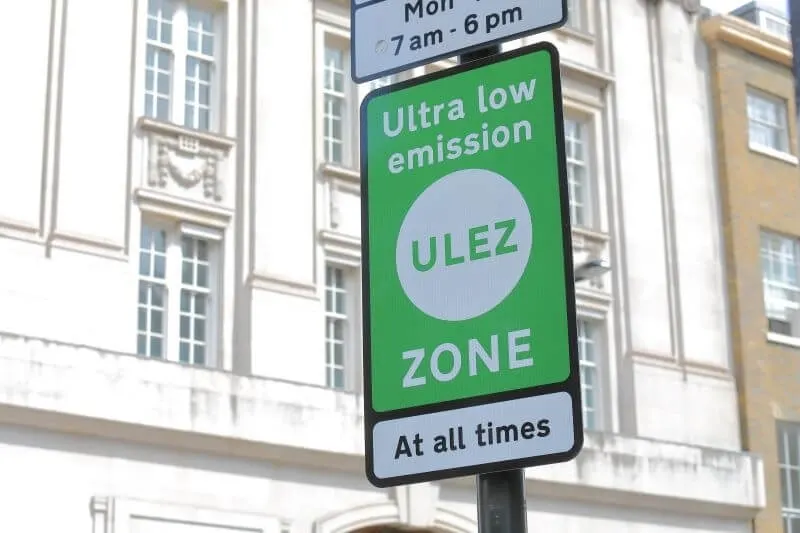
The Ultra-Low Emission Zone is a Clean Air Zone, specifically covering London, and has stricter emission standards than other UK cities. ULEZ operates 24 hours a day, 7 days a week, every day of the year. It applies to most vehicle types, including larger vehicles like HGVs and coaches.
ULEZ launched in central London in 2017 to tackle the city's high pollution levels and improve public health. Since then the zone has expanded signficantly. From 29th August 2023, the zone covers all London boroughs, including Heathrow Airport.
Scotland operates Low Emission Zones in its four largest cities: Glasgow, Edinburgh, Dundee, and Aberdeen. These zones work similarly to English CAZs, and they operate 24/7 in city centre areas.
Scottish LEZs use Euro emission standards to determine compliance. Petrol vehicles must meet Euro 4 standards or higher, whereas diesel vehicles must meet Euro 6 standards or higher. Penalty charges apply to non-compliant vehicles entering the zones.
Poor air quality costs the UK economy billions each year due to health impacts and lost productivity. These charges incentivise cleaner vehicle upgrades and encourage route changes.
The results have been significant. According to Transport for London, 96.7% of vehicles in the current zone now meet strict emission standards. This compares to just 39% when ULEZ launched in 2017.
These zones target the worst polluters. They exempt vehicles that meet modern emission standards. For fleet operators, this creates both challenge and opportunity. Upgrade your vehicles strategically. You'll avoid charges whilst gaining operational advantages from newer, more efficient vehicles.
Bath introduced its CAZ in 2020. Birmingham followed in 2021. Both zones have delivered measurable improvements. Bath's Class C CAZ helped replace 772 polluting vehicles with cleaner alternatives by the end of 2021.
Birmingham's CAZ operates all hours, every day, in the city centre. Hybrid, electric, and compliant vehicles drive through without charge, however, non-compliant vehicles face daily fees. Bath operates a Class C CAZ affecting taxis, vans, HGVs, LGVs, buses, and coaches.
Bradford's C+ class CAZ doesn't apply to passenger cars, motorbikes, taxis, and private vehicles. It started in 2022, and traffic volumes have dropped 9%. This shows how targeted charging shifts behaviour without impacting all drivers.
Bristol launched its CAZ in 2022. 71% of vehicles now meet emission standards. The zone balances revenue generation with behaviour change. It pushes operators towards cleaner fleets.
Charges in Bristol don't apply to Euro 6 diesel vehicles. Fully electric and hydrogen-fuel vehicles are exempt. Modified or retrofitted vehicles also drive free as well as motorbikes.
Portsmouth's CAZ launched in 2021but it takes a relaxed approach to reducing emissions over time. The zone only affects HGVs, buses and coaches, taxi and private hire vehicles, and larger motorhomes.
Sheffield and Newcastle introduced their CAZs in early 2023. Sheffield's zone applies to HGVs, LGVs, vans, taxis, buses, and coaches. Newcastle exempts private cars, motorbikes, and vehicles meeting minimum emission standards.
Manchester's planned CAZ was delayed due to the pandemic and cost-of-living pressures. Greater Manchester leaders don't believe charging vehicles is necessary. They're pursuing an investment-led, non-charging clean air plan instead. The council aims to meet legal air pollution limits without introducing charges. They're providing evidence to the government to support this alternative approach.
Scotland has introduced Low Emission Zones (LEZs) in its four largest cities to improve air quality by restricting the most polluting vehicles.
Glasgow was the first to launch an LEZ in 2018, with enforcement beginning in 2023, covering the city centre and affecting cars, vans, buses, coaches, and HGVs. Edinburgh and Dundee also have city-centre LEZs, with enforcement focusing on older, more polluting vehicles and aiming to reduce harmful road transport emissions. Aberdeen’s LEZ targets vehicles that do not meet minimum emission standards and covers parts of the city centre. All four zones operate continuously throughout the year.
Each area sets its own charge structure. We've compiled all known ULEZ, CAZ, and LEZ charges in UK cities as of October 2025.
There is currently a £12.50 daily charge for vehicles that don't meet ULEZ emission standards but exemptions do apply. Cars, vans, motorcycles, caravans, or minibuses that don't comply face fines up to £180.
Private cars and motorbikes drive free. Coaches, buses, trucks, HGVs, and lorries pay £100 daily within affected areas.
Non-compliant taxis, cars, and LGVs pay £8 daily. Coaches and HGVs pay £50 daily. Penalty charge for non-payment is £120.
Private cars and motorcycles are exempt (even for work use). HGVs, buses, and coaches pay £50 if non-compliant. Minibuses and LGVs pay £9. Hackney carriages and hire vehicles pay £7.
Private petrol and diesel cars, taxis, and LGVs pay £9 daily. HGVs, buses, and coaches pay £100. Penalty for non-payment is up to £120.
Private cars, motorcycles, and vans drive free. Non-compliant taxis and private hire vehicles pay £10 daily. Non-compliant HGVs, buses, and coaches pay £50 daily.
£50 daily for buses, coaches, and HGVs. £10 daily for taxis and LGVs. Larger campervans and motorhomes can apply for a discounted £10 rate.
Currently there is no charge to drive in Manchester's CAZ.
Penalty charges for non-compliant vehicles vary by local authority. Most Scottish LEZs issue penalty charge notices of £60 for cars and vans. HGVs, buses, and coaches face higher penalties of £120. Charges must be paid within set timeframes to avoid increases.
Awareness prevents penalties. RAM Tracking's vehicle tracking software helps fleet managers stay compliant with ULEZ, CAZ, and LEZ regulations through real-time monitoring.
Our geofencing tool automatically alerts you when vehicles approach charged zones, helping you avoid unnecessary fees. Scheduling regular maintenance reminders also ensures your vehicles stay compliant with emission standards.
Transform LEZ, CAZ, and ULEZ compliance from a cost centre into a competitive advantage. Contact us to discover how we can help your business save money and decrease your carbon footprint.
Daniel Briggs is the Marketing Director at RAM Tracking, with almost 3 years of experience in the Field Service SaaS space and a deep understanding of what fleet managers need for both fleet tracking and job management.
His expertise spans fleet optimisation, driver behaviour management, and technology solutions that deliver measurable business results.
Do you have a question? Ask us anything
