
By RAM Tracking on 15 Oct 2025
Choosing the right charging infrastructure is one of the most important decisions you'll make when electrifying your fleet. Without a reliable charging strategy, you risk vehicle downtime, unexpected costs, and operational delays.
The question is simple: should you install chargers at your depot, rely on public charging networks, or use both? Each approach has distinct advantages and challenges. The right choice depends on your fleet size, daily operations, and long-term goals.
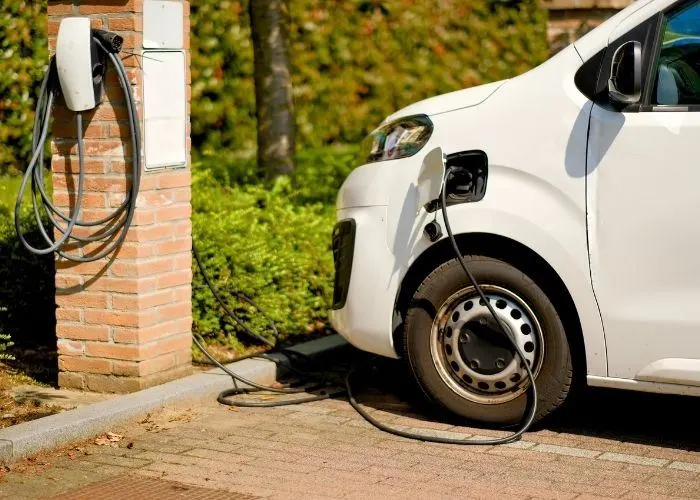
On-site charging means installing charging stations at your business premises. Your vehicles charge overnight or during downtime at your depot.
This option gives you complete control. You decide when vehicles charge, how long they stay plugged in, and how energy costs are managed. For many fleet managers, this control is invaluable.
Key benefits include:
Convenience: Vehicles are charged and ready each morning without relying on external networks.
Cost predictability: You can take advantage of off-peak electricity rates and avoid premium public charging fees.
Operational efficiency: No time wasted searching for available public chargers.
However, on-site charging requires upfront investment. Installation costs vary depending on the number of chargers, electrical capacity, and site modifications. You'll also need adequate space and ongoing maintenance to keep chargers operational.
Public charging networks offer access to thousands of charging points across the UK. Drivers can charge vehicles at motorway service stations, car parks, and dedicated charging hubs.
There were over 73,000 public charging devices available across the UK as of January 2025. This growing network includes rapid and ultra-rapid chargers that can significantly reduce charging times.
Key benefits include:
Flexibility: Useful for vehicles covering long distances or unpredictable routes.
No installation costs: You avoid capital expenditure on charging infrastructure.
Access to rapid charging: Some public chargers can deliver 80% charge in under 30 minutes.
The challenges are equally important. Public chargers aren't always available when you need them, and costs per charge are typically higher than domestic electricity rates. You're also dependent on third-party networks, which means less control over your charging schedule.
Your charging strategy should align with how your fleet operates and there are several factors you’ll need to consider. These include:
Fleet size and daily mileage patterns: Smaller fleets with predictable local routes often benefit from on-site charging. Whereas larger fleets covering varied distances may need a hybrid approach.
Vehicle types and battery capacity: Light commercial vehicles with smaller batteries charge faster and require less infrastructure. On the other hand, larger vehicles with high-capacity batteries may need dedicated high-power chargers.
Operational needs: If your vehicles return to base each evening, overnight on-site charging makes sense. However, if drivers finish shifts at different locations, public charging becomes more important.
Cost comparison: Installation costs for on-site chargers can range from a few thousand pounds to significant capital investment for multi-vehicle depots. However, Government grants and incentives may help offset installation costs for on-site infrastructure. In comparison, public charging typically costs more per kilowatt-hour but requires no upfront spend.
Many businesses find that a hybrid approach works best. On-site chargers handle routine daily charging, whilst public networks provide backup for longer journeys or unexpected situations.
This strategy offers flexibility without overcommitting to a single approach. Your vehicles benefit from the convenience and cost savings of depot charging, but drivers can still access rapid chargers when needed.
Managing multiple charging sources requires clear planning. Drivers need to know when to use on-site chargers and when public charging is appropriate. The right software can monitor charging activity across both options, giving you complete visibility of energy consumption and costs.
Smart technology makes managing EV fleets far simpler. Fleet management software gives you real-time visibility of where vehicles are and how they're performing. This visibility becomes especially important when managing EVs, as you can monitor which vehicles are in use and plan charging schedules accordingly.
Tracking battery levels and overall battery health through Vehicle health trackers provides early warning of potential issues before they cause breakdowns. You can plan maintenance proactively and avoid unexpected downtime that disrupts operations.
Coordinating jobs and driver tasks efficiently matters even more with electric vehicles. Job management systems help ensure charging happens at the right times without impacting service delivery. When drivers know their schedules in advance, they can plan charging stops accordingly.
Planning for growth remains essential. As your fleet expands, vehicle tracking tools help you understand usage patterns and identify when additional charging infrastructure might be needed.
Deciding between on-site, public, or hybrid charging depends on your specific circumstances. You should consider your operational requirements, budget constraints, and growth plans before implementing an EV strategy.
On-site charging suits businesses with central depots, predictable routes, and vehicles that return each evening. Public charging works better for fleets covering long distances or operating from multiple locations. Most businesses, however, benefit from combining both approaches.
Charging networks and technology continue to evolve rapidly, so you should review your charging strategy regularly to ensure it remains fit for purpose. What works today may need adjustments as your fleet grows or when new charging options become available.
Whether you choose on-site charging, public networks, or a hybrid approach, our solutions help you make the transition to electric vehicles smoother and more cost-effective.
Get a quote today to discover how RAM Tracking can support your fleet electrification journey.
Do you have a question? Ask us anything
